The Essential Guide to Radon Mitigation York PA Homeowners Can Trust
If you own a home in York County, Pennsylvania, you have probably heard about radon. It is a naturally occurring radioactive gas that comes from the decay of uranium in the soil. It is colorless, odorless, and tasteless, which makes it easy to ignore. But the health risks are real. Radon is the second leading cause of lung cancer in the United States, according to the EPA. And here is the thing: York County sits in a zone where radon levels tend to be higher than the national average. That is not a scare tactic. It is a geological fact. The underlying limestone and shale formations in this part of the state can release radon into the air, and once it seeps into your home, it can build up to dangerous concentrations.
I have worked with dozens of homeowners in the York area over the past decade, and the most common reaction I hear is, "I knew radon was a thing, but I figured it was someone else's problem." It is not. The EPA and the Pennsylvania Department of Environmental Protection both recommend that every home be tested for radon, regardless of age or construction type. And if the test comes back at 4 picocuries per liter (pCi/L) or higher, then radon mitigation york pa York Radon Mitigation becomes a priority. The good news is that mitigation is usually straightforward. The bad news is that there is a lot of misinformation out there about what it costs, who to hire, and how long it takes.
Why York County Homes Are Especially Vulnerable
The geology of York County creates a perfect pathway for radon. The soil here is porous in many areas, and the bedrock beneath it contains trace amounts of uranium. As uranium decays over thousands of years, it produces radium, which then breaks down into radon gas. That gas moves up through the soil and into the air. When a house sits on that ground, the pressure inside the home is usually slightly lower than the pressure in the soil, which draws radon in through cracks in the foundation, gaps around pipes, and even through sump pumps or floor drains.
I once consulted on a mitigation job in a 1970s ranch home in Springettsbury Township. The homeowner had lived there for twenty years and never tested. When we finally did a short-term test, the radon level was 18 pCi/L. That is more than four times the EPA action level. The house had a crawlspace instead of a basement, which made it tricky. But we installed a sub-membrane depressurization system and brought the level down to 1.2 pCi/L. The homeowner told me afterward that she wished she had done it years ago. That is a common refrain.
How Radon Mitigation Actually Works
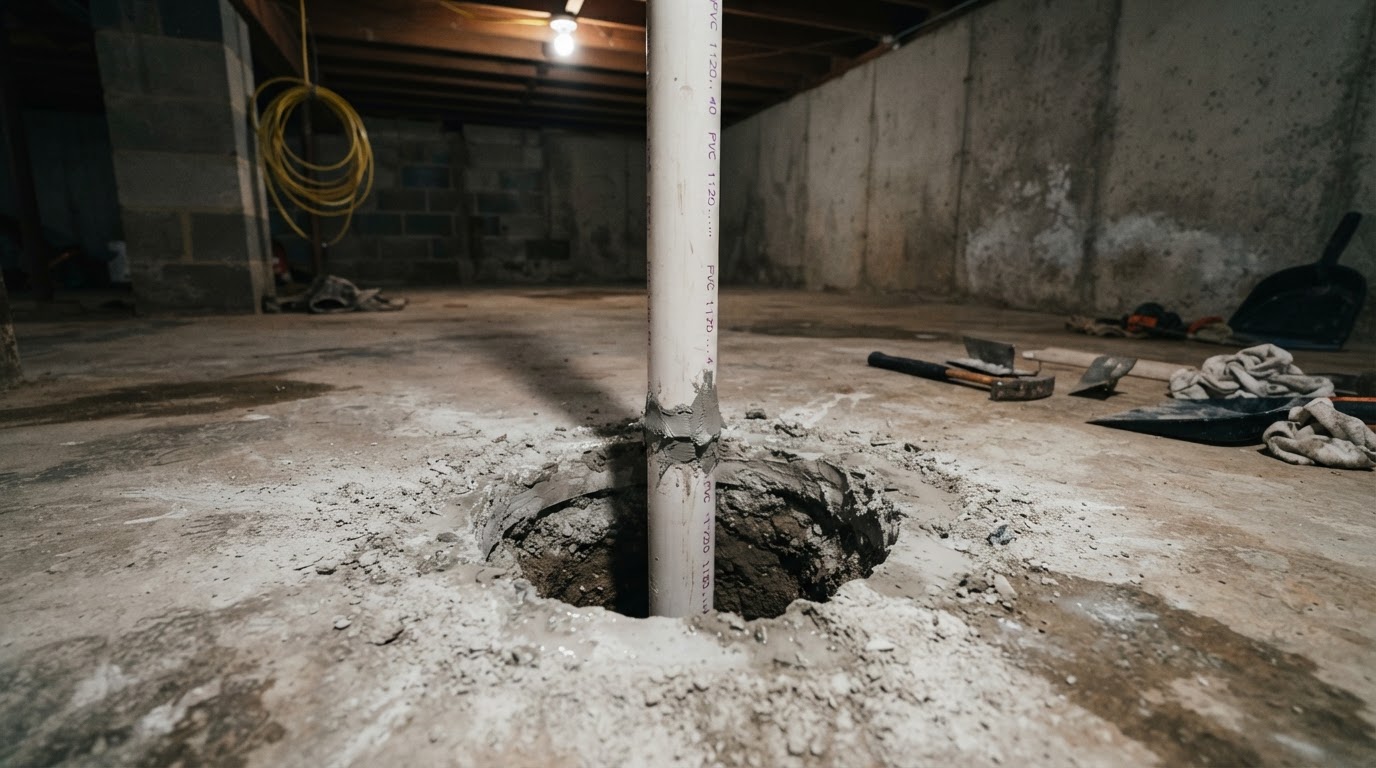
The most common method for reducing radon is called sub-slab depressurization. A contractor drills a small hole through the basement floor, creates a suction point under the concrete slab, and installs a fan that vents the radon-laden air to the outside, above the roofline. It is a proven technique that works in most homes. For homes with crawlspaces, the contractor lays a heavy-duty vapor barrier on the ground and creates suction beneath it. For homes with block-wall foundations, there are other approaches like sealing and venting the hollow cores.
A good contractor will also seal major cracks and openings in the foundation, but sealing alone is rarely enough. Radon can push through tiny pores in concrete, so you need active suction to pull the gas away before it enters the living space. The fan runs continuously, and it uses about as much electricity as a standard light bulb. The system should include a manometer, which is a U-tube gauge that lets you see at a glance whether the fan is working. If the gauge reads zero, something is wrong.
Testing Comes First
Before you hire anyone for radon mitigation york pa York Radon Mitigation, you need a reliable test result. You can buy a short-term test kit at most hardware stores for around fifteen to twenty dollars. It usually involves placing a small charcoal canister or an alpha-track detector in the lowest livable level of your home for two to seven days, then mailing it to a lab. The lab sends you a report in a few weeks. If the result is 4 pCi/L or higher, the EPA says you should fix it. If it is between 2 and 4 pCi/L, you might still consider mitigation, especially if you have young children or spend a lot of time in the basement.
I always tell homeowners to test twice before making a decision. Radon levels can fluctuate seasonally. Winter tends to produce higher readings because houses are closed up and the stack effect pulls more soil gas inside. A long-term test that lasts three to twelve months gives a truer picture of your annual average. But if you are buying or selling a home, a short-term test is the standard for real estate transactions.
Choosing a Certified Contractor in Pennsylvania
Pennsylvania does not require a state license for radon mitigators, which means anyone can call themselves a radon professional. That is why it is critical to hire someone who is certified by the National Radon Proficiency Program (NRPP) or the National Radon Safety Board (NRSB). These certifications require ongoing education and adherence to industry standards. A certified contractor will also carry liability insurance and provide a written contract that includes a post-mitigation test guarantee.
When you interview contractors, ask how many systems they have installed in York County specifically. Local experience matters. The soil conditions in York differ from those in, say, Pittsburgh or Philadelphia. A contractor who knows the local geology will be better at diagnosing the right approach. Also ask about the warranty. Most reputable contractors offer a one-year warranty on parts and labor, and the fan itself should last five to ten years with proper maintenance.
What You Can Expect to Pay
Radon mitigation costs in York County typically range from about eight hundred to twenty-five hundred dollars, depending on the complexity of the house. A straightforward basement with a concrete slab and good access to the exterior is on the lower end. A home with a crawlspace, a finished basement, or a complex foundation can cost more. The price usually includes the fan, piping, sealing materials, labor, and a post-mitigation test to confirm the level dropped below 4 pCi/L. Some contractors also charge a separate fee for the test kit, so ask upfront.
I have seen homeowners try to save money by sealing cracks themselves or buying a DIY fan kit from an online retailer. Those approaches rarely work as well as a professionally designed system. The fan has to be sized correctly for the soil permeability and the square footage of the slab. If the suction is too weak, it will not pull enough radon. If it is too strong, it can actually draw moisture from the soil into the basement, which leads to mold problems. A certified contractor knows how to balance that.
Radon and Real Estate Transactions
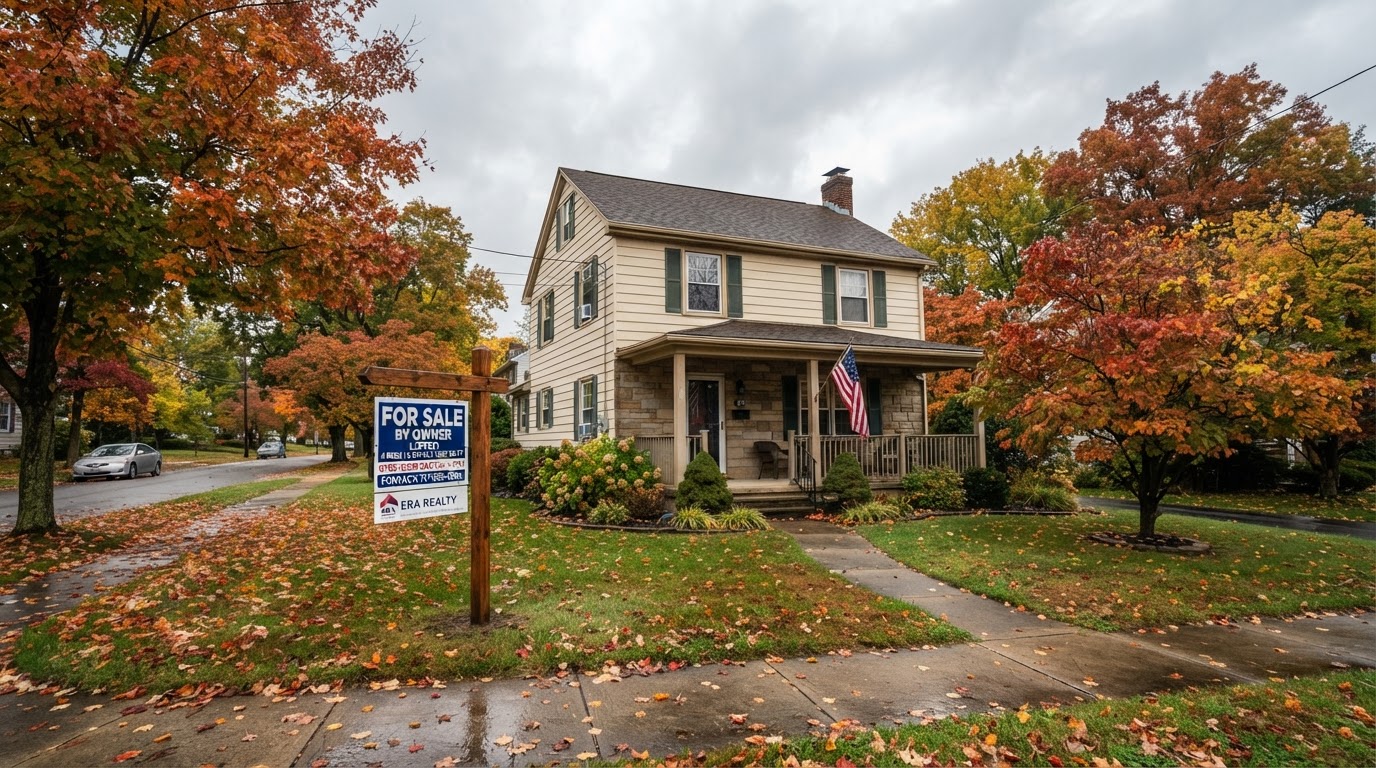
If you are selling a home in York County, a radon test is almost certainly going to happen as part of the buyer's inspection. If the result is high, the buyer will likely ask for mitigation. It is better to test and fix the problem before you list the house. That way you control the contractor selection, the timeline, and the cost. Some sellers get nervous about disclosing a high radon level, but Pennsylvania law requires disclosure of known radon hazards in real estate transactions. Hiding it can lead to legal trouble later.
I worked with a family in Dover Township who had a radon level of 12 pCi/L in their finished basement. They were worried that fixing it would be expensive and messy. We installed a sub-slab system in two days, and the post-mitigation test came back at 1.8 pCi/L. They sold the house three months later with no issues. The buyer's inspector saw the radon system and the low test result, and it actually became a selling point.
Maintenance After Mitigation
Once a system is installed, it requires very little attention. Check the manometer every few months to make sure the fan is running. If the gauge shows zero, call your contractor. Also check the exterior vent pipe for blockages. Snow, leaves, or even bird nests can clog the pipe and reduce suction. The fan itself should be replaced before it fails, typically every five to seven years. Some systems have an audible alarm that alerts you if the fan stops. That is a nice feature to ask about when you are getting quotes.
Retesting your home every two years is a good habit. Radon levels can change if the soil shifts, if you add an addition to the house, or if you replace windows and doors in a way that changes air pressure. A simple test kit will tell you if everything is still working.
The Bigger Picture
Radon is a serious issue, but it is also a fixable one. The technology has been around for decades, and the cost is reasonable compared to the health risk. If you live in York County and have not tested your home yet, I encourage you to do that this month. If you already know your level is high, then radon mitigation york pa York Radon Mitigation is the next logical step. The peace of mind alone is worth it. You cannot see radon and you cannot smell it, but you can stop it from harming your family with a properly designed system installed by someone who knows what they are doing.
Do not let the process intimidate you. It starts with a simple test. From there, it is just a matter of making a call and getting the work done. Your home will be safer, and you will sleep better knowing you took control of something that too many people ignore.